
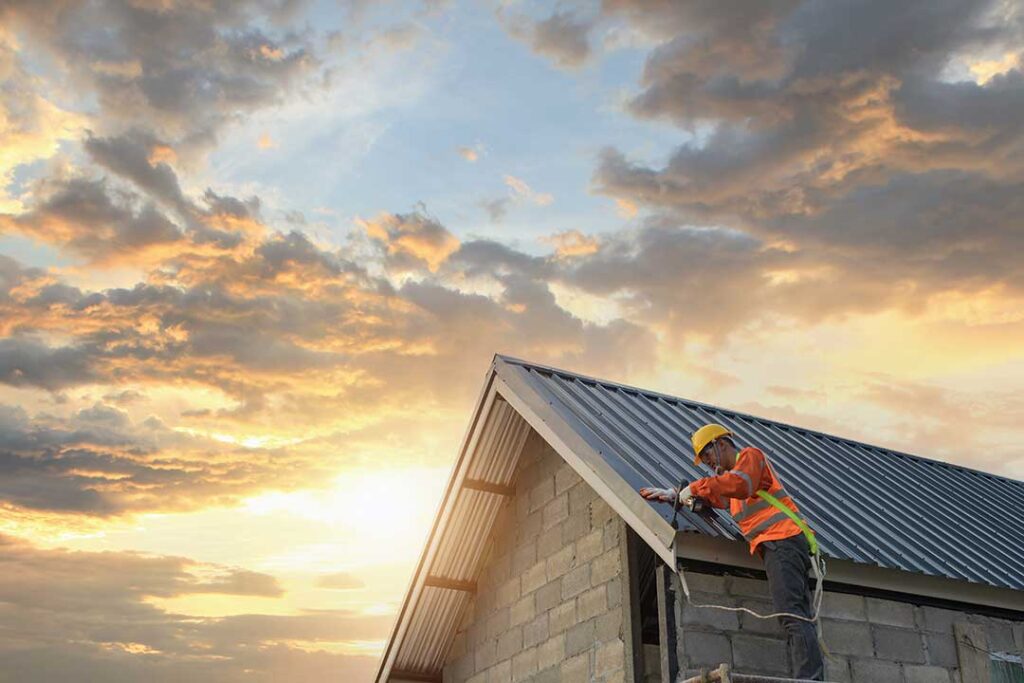
A roof does more than keep rain and snow outside. When an aging roof allows water into the attic, insulation, ceilings, or wall cavities, it can create the damp conditions that support mold growth. Replacing a failing roof can therefore reduce one potential source of indoor allergens—but only when moisture-damaged materials are also addressed.
Can a new roof reduce allergens inside a home?
Yes, a new roof can help reduce indoor allergens when the old roof has been leaking or allowing persistent moisture into the home. The main benefit comes from stopping water intrusion before it feeds mold growth in roofing materials, insulation, drywall, wood framing, or attic dust.
Mold spores are common indoors and outdoors, but moisture allows mold colonies to grow. Exposure may produce hay fever-like symptoms, including sneezing, runny nose, irritated eyes, coughing, or wheezing, especially for people with allergies or asthma. ([cdc.gov](https://www.cdc.gov/mold-health/about/?utm_source=openai))
A roof replacement does not remove every allergen in a house. Dust mites, pollen, pet dander, pests, and outdoor air entering through windows or ventilation systems can remain. The roof-related improvement is more specific: preventing leaks and damp building materials from becoming a continuing source of mold and musty air.
How does roof moisture lead to indoor allergens?
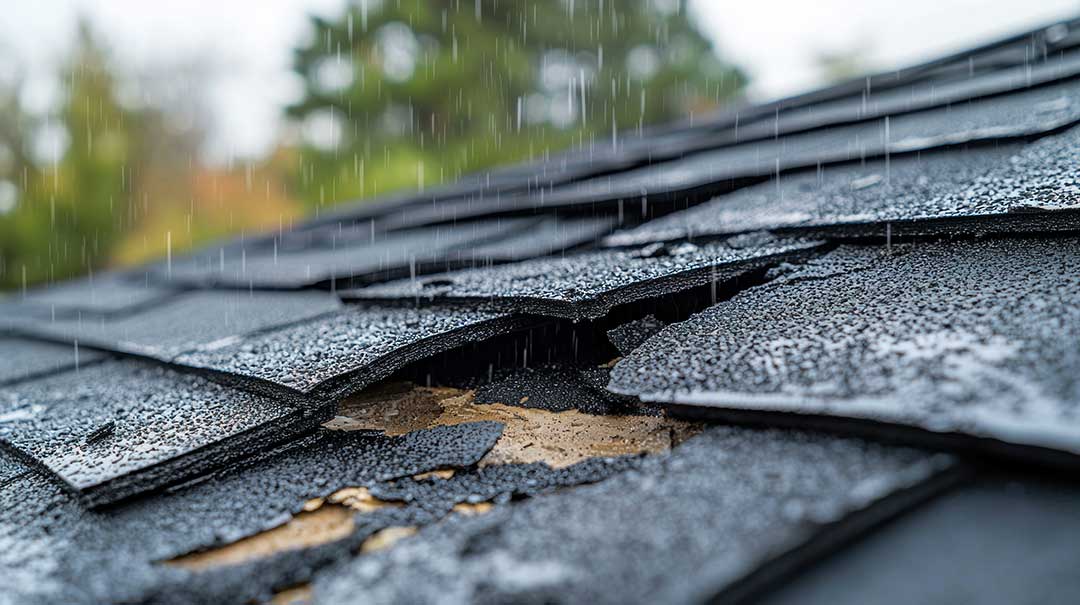
Roof leaks often begin as small, localized problems. Water may enter around aging shingles, flashing, roof penetrations, valleys, or areas where ice and snow repeatedly collect. The visible ceiling stain may appear well away from the actual entry point.
Once moisture reaches the attic or upper portions of the building, several problems can follow:
- Wet insulation may hold moisture for extended periods.
- Damp wood can support mold growth.
- Water-stained drywall may remain a source of odor and particles.
- Moist attic dust can become a more favorable environment for biological contaminants.
- Repeated wetting and drying can conceal a problem until symptoms or odors appear.
The roof covering itself is not usually the allergen. The concern is the moisture pathway created by roof failure. Federal health guidance consistently identifies leak repair and moisture control as central steps in preventing indoor mold growth. ([cdc.gov](https://www.cdc.gov/mold-health/about/?utm_source=openai))
Why can this matter in Bath, NY?
Homes in Bath, NY experience changing seasonal conditions, including cold winters, snow, rain, spring thaw, and periods of summer humidity. Those cycles can place repeated stress on roofing materials and flashing.
Snow and ice do not automatically cause indoor air problems. The risk increases when water remains against vulnerable roof areas, enters through damaged materials, or reaches the attic during thawing. Summer humidity can add another moisture source if attic ventilation is poor or indoor air leaks into the attic and condenses on cooler surfaces.
Older homes may also have layered roofing materials, aging attic insulation, limited ventilation, or previous repairs that make moisture harder to detect. These conditions do not mean a home will have mold, but they make regular observation of the attic and upper ceilings more useful.
Will replacing shingles alone solve an allergen problem?
Not always. A new roof can stop the leak while mold or moisture remains inside the structure.
Before or during roof work, the affected areas should be evaluated for:
- Wet or compressed insulation
- Discolored or soft roof decking
- Damp rafters or roof trusses
- Water-stained ceiling materials
- Musty odors
- Visible mold growth
- Dampness around attic penetrations and vents
If materials have remained wet, simply covering the exterior with new roofing may leave the indoor source untouched. The moisture must be stopped, and damaged materials may need to be dried, cleaned, or removed according to the extent of the problem.
The Centers for Disease Control and Prevention advises addressing both the mold and the moisture problem that allowed it to grow. ([cdc.gov](https://www.cdc.gov/mold-health/about/?utm_source=openai))
What roof features can help prevent moisture-related allergens?
A properly installed roof assembly should manage water, airflow, and ventilation together. Important details include:
Sound flashing
Flashing directs water away from roof intersections, chimneys, walls, valleys, and other vulnerable points. Failed or poorly installed flashing is a common route for hidden leaks.
Adequate attic ventilation
Ventilation helps remove heat and moisture from the attic. It does not replace proper air sealing, and more vents are not automatically better. Intake and exhaust openings need to work as a balanced system.
Proper underlayment and water-shedding layers
These layers provide secondary protection beneath the outer roofing material. They are especially useful when wind-driven rain, melting snow, or small defects affect the roof covering.
Reliable drainage
Gutters, downspouts, and roof slopes help move water away from the structure. Clogged or poorly directed drainage can contribute to wet fascia, soffits, wall areas, and foundations.
Careful sealing around penetrations
Plumbing vents, exhaust vents, skylights, and other roof openings require durable seals. A small gap can allow repeated moisture entry over time.
What should residents check after a roof replacement?
A new roof should be followed by an indoor check, particularly if there was a known leak. Look in the attic and upper-level rooms for:
- New or expanding stains
- Damp insulation
- Condensation on nails or roof decking
- Musty odors
- Peeling paint or bubbling drywall
- Mold-like spotting
- Unusual increases in indoor humidity
A basic indoor humidity monitor can help identify conditions that encourage mold. The CDC recommends keeping indoor humidity as low as practical, with a target no higher than 50 percent. ([cdc.gov](https://www.cdc.gov/mold-health/about/?utm_source=openai))
If a roof leak has soaked porous materials, drying alone may not be enough. Materials that cannot be thoroughly dried or cleaned may continue to hold odors and biological contaminants.
Can a new roof reduce pollen, dust, or pet allergies?
Usually not directly. Roofing work does not remove pollen tracked indoors, dust mites in fabrics, pet dander, or particles carried through the heating and cooling system.
However, stopping a roof leak can improve overall indoor conditions by reducing dampness and mold risk. Other measures may be needed for unrelated allergens, such as:
- Changing heating and cooling filters according to the system’s requirements
- Using kitchen and bathroom exhaust fans that vent outdoors
- Controlling indoor humidity
- Cleaning settled dust with methods that do not stir it into the air
- Washing bedding regularly
- Keeping wet areas dry
- Addressing pest entry points
EPA guidance identifies mold, dust mites, pollen, pet allergens, and pest debris as separate categories of indoor biological contaminants. ([epa.gov](https://www.epa.gov/indoor-air-quality-iaq/biological-contaminants-and-indoor-air-quality?utm_source=openai))
When does a roof-related indoor air problem need further evaluation?
Further evaluation is sensible when occupants notice recurring musty odors, repeated ceiling stains, visible mold, worsening symptoms at home, or damp insulation after a repair. People with asthma, significant allergies, or weakened immune systems may be more sensitive to mold exposure.
Mold testing is not always necessary to identify the practical problem. Visible growth, musty odors, and ongoing moisture are often more useful clues than knowing the exact mold type. The priority is to find the water source, stop it, and properly address affected materials.
A new roof can be an important part of improving indoor air conditions in Bath, NY, but it works best as part of a complete moisture-control plan. The lasting benefit comes from keeping water out, allowing the roof assembly to dry properly, and making sure past leaks have not left damp or contaminated materials behind.
