
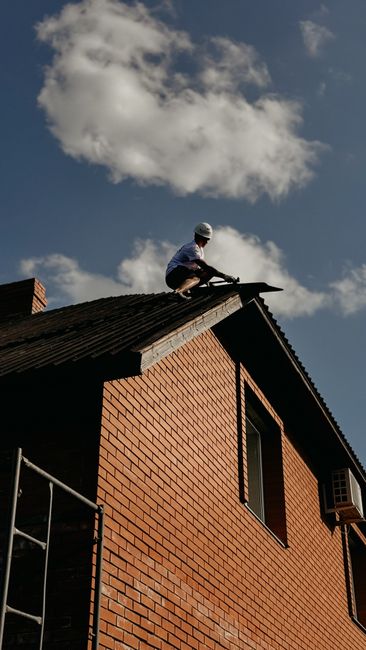
Why early roof damage is easy to miss
Early roof damage often appears as a small change rather than an obvious failure. A single lifted shingle, a faint ceiling mark, or a gutter that begins to pull away can allow water to enter gradually, especially during repeated rain, snow, and freeze-thaw cycles.
In Bath, NY, seasonal weather can place extra stress on roofing materials. Snow accumulation, strong wind, ice at the eaves, falling branches, and frequent temperature changes may expose weak points before a major leak develops. Regular observation from the ground and from inside the home can help identify problems while they are still limited.
What should homeowners look for from the ground?
Many early warning signs are visible without climbing onto the roof. A ground-level inspection is safer and can reveal changes that deserve closer attention.
Look for:
- Shingles that appear curled, buckled, cracked, blistered, or out of alignment
- Areas where the roof surface looks uneven or wavy
- Missing shingles or exposed underlayment
- Dark patches that remain after surrounding areas have dried
- Granules collecting in gutters or at the base of downspouts
- Flashing that looks loose, bent, rusted, or separated near roof edges and openings
- Sagging along the roofline, fascia, soffits, or gutters
- Tree limbs or heavy debris resting on the roof
A few loose granules are not always a sign of immediate failure, particularly after new roofing work. However, a growing amount of granule loss can indicate aging or surface wear. Granules protect shingles from sunlight and weather, so widespread loss can shorten the remaining service life of the roof.
Binoculars can help with a closer look from the ground. It is generally safer to avoid walking on a steep, wet, icy, or visibly damaged roof.
Which indoor signs may indicate a roof leak?
A roof leak does not always appear directly beneath the damaged area. Water can travel along rafters, insulation, ceiling materials, and wall cavities before becoming visible.
Check ceilings, upper walls, attic spaces, and areas around roof penetrations for:
- Yellow, brown, or gray ceiling stains
- Fresh paint bubbling, peeling, or discoloration
- Damp insulation or a musty odor
- Soft drywall or wood near the ceiling
- Water marks that appear after rain or snowmelt
- Drips around chimneys, skylights, vents, or attic access openings
- Small spots of mold or mildew near exterior walls
A stain that dries between storms still deserves attention. Intermittent leaks can be caused by wind-driven rain, melting snow, or water entering at a flashing detail. The visible mark may be smaller than the hidden area affected by moisture.
If water is near electrical fixtures, turn off power to the affected area only if it can be done safely. Avoid touching wet electrical components.
How can gutters and roof edges reveal damage?
Gutters are part of the roof drainage system, so their condition can provide useful clues. Water that cannot leave the roof properly may collect at edges, enter behind flashing, or contribute to deterioration of fascia and soffits.
Notice whether:
- Gutters sag or pull away from the house
- Water spills over one section during rainfall
- Downspouts discharge close to the foundation
- Gutter seams leak repeatedly
- Paint is peeling on fascia boards
- Wood at the eaves looks soft, swollen, or discolored
- Icicles or thick bands of ice form repeatedly along the eaves
An occasional icicle does not automatically mean the roof is damaged. Repeated ice buildup, especially when paired with water stains or dripping behind the gutter, may indicate an ice dam or a drainage problem. Ice dams form when meltwater refreezes at a colder roof edge and prevents later meltwater from draining normally.
Do not chip ice from shingles or gutters. The force can damage roofing materials and create a fall hazard.
What changes after wind, heavy rain, or snow deserve attention?
Roof damage is often easier to spot after severe weather, but not every problem is dramatic. Wind may lift the edge of a shingle without removing it completely. A branch may scrape the surface, leaving marks that later allow moisture to enter.
After a significant storm, inspect from the ground for:
- New gaps or irregular lines in the shingle pattern
- Shingles or roofing fragments in the yard
- Exposed nails or underlayment
- Bent metal around vents, chimneys, or roof edges
- New gutter dents or sections that have shifted
- Broken branches resting on or near the roof
- Ceiling stains that were not present before the storm
Snow can conceal damage temporarily. Once the roof becomes visible again, compare its appearance with earlier photographs if available. Photos taken from the same ground-level locations can make gradual changes easier to recognize.
Are all roof problems visible on the shingles?
No. Some of the most significant early problems involve components beneath or around the shingles. Flashing, pipe boots, valleys, ventilation openings, drip edges, and roof-to-wall transitions are common areas for water entry.
A roof may look acceptable across its main surface while damage is developing around a penetration or seam. Pay particular attention to indoor stains near:
- Plumbing vent locations
- Chimneys and masonry transitions
- Skylights
- Dormers and roof-to-wall joints
- Valleys where two roof sections meet
- Areas beneath roof edges and eaves
Water stains can appear several feet away from the actual entry point, so the location of the stain should not be treated as proof of where the roof is leaking.
How often should a roof be checked?
A practical schedule is to look over the roof and drainage system at least twice a year, with additional checks after major wind, heavy rain, or snow events. Spring inspections can reveal winter damage, while fall inspections can identify blocked drainage before leaves and snow create additional problems.
Homeowners should also check the attic when conditions allow. Look for damp insulation, daylight visible through the roof deck, rusty fasteners, dark wood marks, or a musty smell. Attic ventilation and insulation issues can contribute to condensation that resembles a roof leak, so the timing and location of moisture matter.
Keep a simple record of visible changes, including photographs and dates. This can help distinguish a new problem from an old stain or long-standing surface variation.
When is roof damage an urgent safety concern?
Immediate caution is appropriate when the roof is sagging, a large area is missing, water is entering rapidly, or structural materials appear compromised. Stay away from areas beneath sagging ceilings, especially if they are swollen or holding water.
Professional evaluation is justified when safe inspection from the ground cannot determine the extent of damage, when the roof is steep or unstable, or when electrical systems, structural framing, or widespread interior moisture may be involved. The safest approach is to avoid climbing onto damaged or icy roofing and to address active water entry without delaying.
Early roof inspection is not about finding a problem in every imperfection. It is about recognizing changes, connecting indoor and outdoor clues, and responding before a small weakness becomes widespread water or structural damage.
