

Why Does Preventive Roof Maintenance Matter For Bath, NY Homeowners?
Even in communities with well-built homes, preventive roof maintenance is crucial for extending the functional life of a roof and reducing repair costs over time. In Bath, NY, the local climate brings its own set of roofing challenges, from heavy winter snows to summer storms and periods of fluctuating humidity. Regular roofing attention helps residents avoid common issues seen in the area, such as ice dams, moisture intrusion, and premature shingle wear.
Routine maintenance identifies small problems before they can become costly emergencies. For homes in Bath, this can mean saving thousands of dollars in the long run, maintaining household comfort, and protecting property values.
What Counts as Preventive Roof Maintenance?
Preventive roof maintenance covers a variety of tasks that are performed on a routine schedule—or just before and after Bath’s harsh seasonal changes. These include, but are not limited to:
- Clearing leaves and branches from gutters and roof valleys
- Checking for missing, cracked, or curling shingles
- Examining flashing around chimneys, vents, and skylights for gaps or corrosion
- Looking for evidence of moss, algae, or mold—especially on shaded areas
- Removing debris after storms to prevent water pooling
- Ensuring attic ventilation is functioning well, which helps prevent ice dams in colder months
The specifics may vary depending on roofing material and the age of the home, but the principle is consistent: address minor concerns early to prevent major issues later.
How Does This Approach Save Money in the Long Run?
Addressing minor roofing issues promptly reduces the likelihood of expensive repairs or full replacements. Small leaks, for example, can remain hidden for months or years, causing rot in the roof decking or damage to insulation and interior ceilings. Repairing an isolated leak costs far less than replacing widespread structural damage.
In Bath, harsh winter snow and spring thaws routinely test the durability of area roofs. Preventive maintenance helps:
- Avoid the cost of sudden leak repairs during peak seasons
- Extend the roof’s lifespan by several years, delaying the need for full replacement
- Eliminate repeat service calls by proactively sealing problem areas
In the context of local housing, a well-maintained roof is also an asset if owners decide to sell. Home inspectors in the city frequently cite roof condition as a major factor in buyer confidence and final sale price.
What Are Common Signs That Preventive Maintenance Is Needed?
Homeowners should look out for:
- Granules accumulating in gutters (from aging asphalt shingles)
- Interior ceiling stains, especially after heavy rain or snow melt
- Moss or plant growth on shingles or in shaded valleys
- Sagging spots or dips in roof lines
- Unusual drafts or temperature changes in attics
While some issues are visible from ground level, others may require cautious use of a ladder for visual inspection. In situations involving possible structural weakness or electrical hazards (such as areas around roof-mounted power lines), additional caution is warranted.
How Often Should Area Roofs Be Checked?
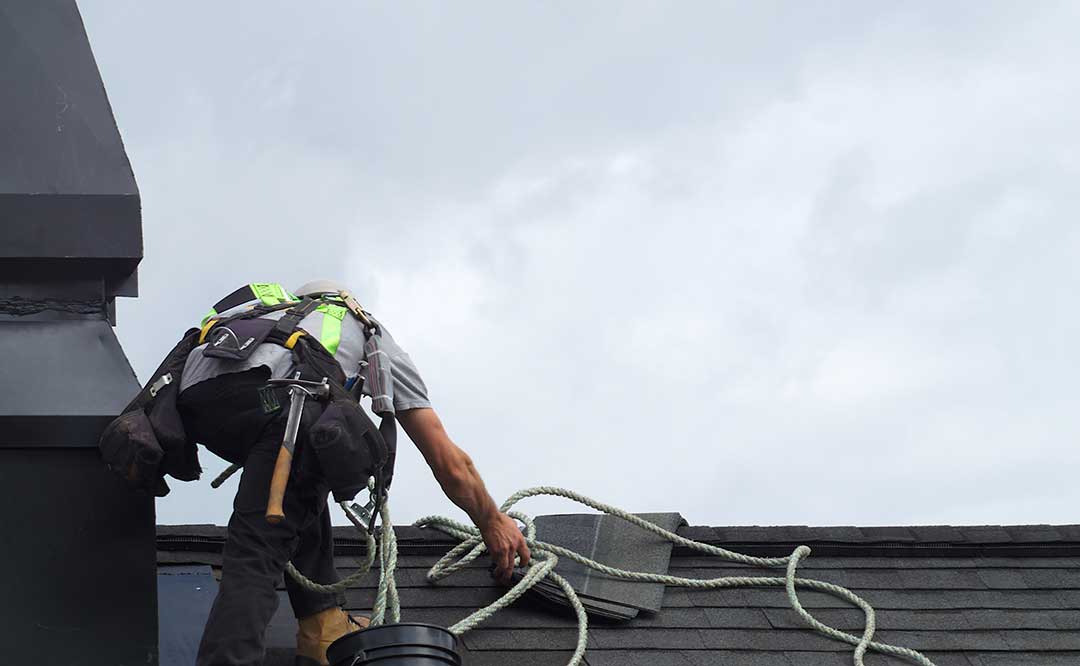
For most single-family homes in Bath, a basic visual inspection should be carried out at least twice a year—ideally after the last major snow melt in spring and again after autumn leaf fall. Properties with mature trees or complex roofs may benefit from more frequent attention, especially after severe storms.
Exceptions include older roofs (over 15 years), historic properties, or homes with complex rooflines, which may need more frequent or detailed assessment.
What Are the Risks of Skipping Maintenance?
Failing to carry out preventive maintenance often results in:
- Water damage and hidden rot within attics and walls
- Ice dam formation and subsequent interior leaks in winter
- Accelerated shingle deterioration due to unchecked moss or algae
- Increased risk of mold and air-quality issues caused by trapped moisture
In Bath, the freeze-thaw cycle is especially tough on roofing. Water seeps into small cracks, freezes, and expands—turning a tiny flaw into a serious repair issue by spring. Delayed attention can also impact insurance claims, as some policies may deny coverage for preventable damage if maintenance has been neglected.
Are There Misconceptions About Preventive Roof Maintenance in Bath?
A common misconception is that newer roofs don’t require attention until problems appear. In reality, even roofs under ten years old can develop issues related to ventilation, flashing, or weather damage. Another myth is that only visible damage—such as missing shingles or obvious water stains—warrants concern. In many homes, leaks can go unnoticed until major repair is needed.
Area households sometimes postpone gutter cleaning, thinking it’s low priority; however, clogged gutters are a leading cause of localized water damage around rooflines and fascia.
Practical Tips for Residents
- Keep gutters and downspouts cleared, especially in fall and spring
- Use binoculars from the ground to spot obvious defects if climbing is unsafe
- Trim back overhanging branches that can cause abrasion or collect debris
- After major storms, visually assess the roof and attic for any changes
If you notice changes in roof integrity or indoor moisture levels, addressing them quickly can prevent escalation.
