

How Does Gutter Cleaning Affect Roofing in Bath, NY?
Regular gutter cleaning plays a direct role in maintaining the health of your roof. In Bath, NY, households face a mix of leaf debris from mature trees, spring pollen, and winter freeze-thaw cycles. When gutters become clogged, water can’t drain away from the edge of the roof as designed. Instead, water backs up, sits underneath shingles, or spills onto siding—very often leading to damage in places that are costly to repair and difficult to notice right away.
Even a single season of neglect can result in:
- Water getting trapped beneath roofing materials
- Ice dam formation when trapped water freezes during cold snaps
- Overflowing water eroding the foundation or landscaping
- Rotting wooden eaves, soffits, or fascia boards
The relatively wet spring and fall seasons typical in the region demand extra vigilance, especially in neighborhoods with dense tree cover. Many older homes in the city are especially vulnerable because they often feature traditional wood trim that’s easily affected by prolonged moisture.
What Problems Does Clogged Guttering Cause For Roofs?
Clogged gutters lead to several common but often underestimated roofing issues. These are not always visible from the ground—making them easy to overlook until damage is advanced.
- Ice dams: In late autumn and early winter, leaves, twigs, and debris can prevent water from draining. When temperatures drop below freezing, that water becomes ice, forming ridges at the roof edge. This pushes melting snow back up under shingles where it can soak into the roof deck.
- Roof leaks: Overflowing gutters cause water to travel up and under roof materials, leading to slow leaks or damaged underlayment, especially after heavy rains.
- Sagging gutters: The weight of soggy debris and trapped water can bend or pull gutters away from the roof fascia, harming roofing edges and leading to more opportunities for water intrusion.
A pattern of repeated moisture exposure weakens materials over time, especially wood, which is a common trim and roof element in many area homes.
Why Is This So Relevant in the Local Climate?
Bath, NY, residents deal with four distinct seasons that each present specific challenges:
- Spring and Fall: Trees shed pollen, flowers, seed pods, and leaves—quickly filling gutters.
- Heavy rains: Intense storms, especially in summer, can overwhelm gutters already partially blocked by debris.
- Winter snowfall: Gutters full of debris don’t drain melted snow efficiently, setting the stage for ice dams.
- Freeze-thaw cycles: Temperature swings cause water to thaw during the day and refreeze at night, expanding existing blockages and worsening gutter strain.
Cold winters and unpredictable weather patterns amplify the risk of hidden damage. Even brand-new roofs can experience failure if gutters are left neglected for multiple seasons.
How Often Should Gutters Be Cleaned Locally?
Residents often wonder how frequently they should clean their gutters given the local conditions. In Bath, cleaning frequency depends on several factors:
- Homes surrounded by large or overhanging trees may need cleaning twice each fall and at least once each spring.
- Roofs with minimal tree cover may require less frequent attention, but should still be checked every spring and fall.
- Periods following heavy storms or wind should prompt quick inspections.
Ignoring gutters even for a single autumn can increase the likelihood of ice dam formation and mid-winter leaks, which are more costly to repair than preventive cleaning. Residents in neighborhoods with older, taller trees should plan on a more regular cleaning schedule.
What Are Signs That Gutters May Be Harming the Roof?
Homeowners sometimes miss subtle warning signs that gutter issues are impacting roofing. Common indicators include:
- Water stains or streaks beneath the roofline or along exterior walls
- Visible plants or moss growing from gutters (indicating long-term moisture and debris)
- Shingles that look warped or discolored at the roof edge
- Persistent “damp” smell in the attic or at the top of exterior walls
- Sagging, detached, or overflowing gutters during rainstorms
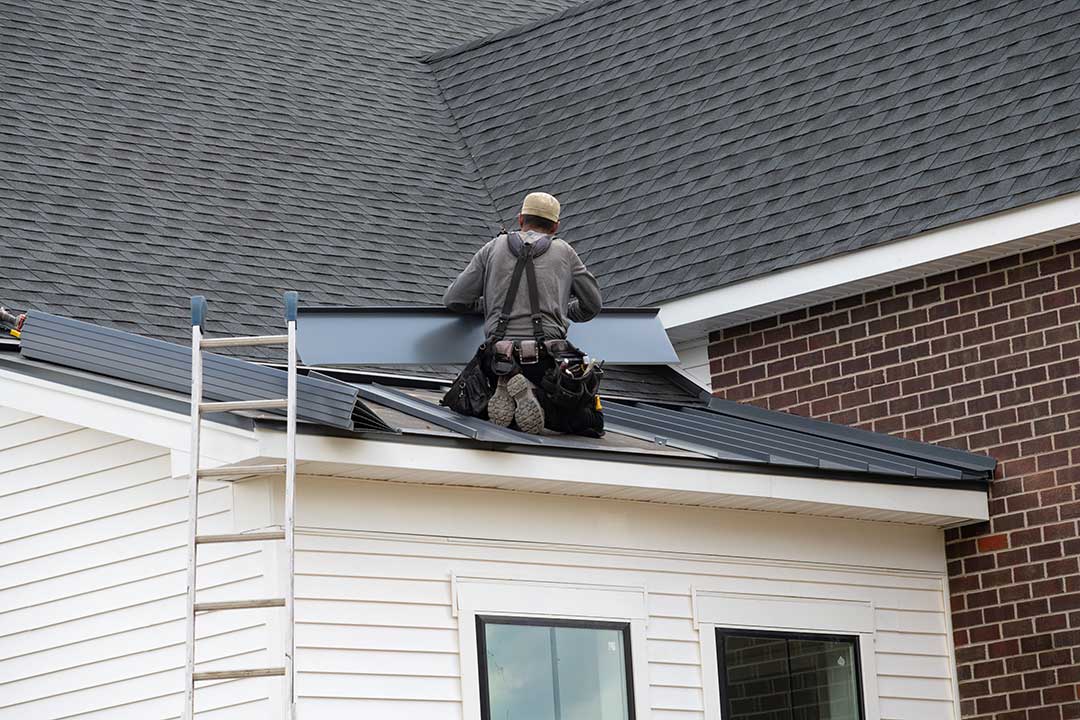
If any of these signs appear, a careful inspection is warranted—not only of the gutters, but also of the roofing materials beneath their edge, as long-term leaks may remain hidden until they become extensive.
What Common Misconceptions Lead to Neglected Gutters?
Many residents mistakenly assume new roofs or recently installed gutters automatically prevent leaks or ice dams. However, even the best roofing materials will fail over time if gutters aren’t clear.
Some other common misconceptions include:
- Believing gutter guards make gutters maintenance-free—while they reduce debris, they don’t eliminate the need for regular checks.
- Assuming damage only occurs in winter—overflow in any season can harm fascia and roof decks.
- Underestimating the effect of a single blocked downspout—water can back up along an entire roofline from just one clogged outlet.
Understanding these details helps households make more informed decisions about their yearly exterior maintenance routines.
What Are Safe and Effective Ways to Maintain Gutters?
Basic gutter maintenance is within the capability of most homeowners and helps prevent costly roofing repairs:
- Use a stable ladder and never lean directly on gutters
- Wear gloves to remove debris by hand for the most thorough results
- Flush gutters with a garden hose to ensure downspouts are clear
- Schedule checks after major storms and at the end of peak leaf-drop periods
Always take extra precautions with multi-story homes, steep roofs, or when ice is present. In these scenarios, priority should be given to safety, and if conditions are hazardous—such as ice, loose ladders, or steep inclines—further steps should be considered to protect health and property.
