

Can Roof Repairs Be Performed Safely During a Crisis in Bath, NY?
Yes, essential roof repairs can be managed safely during health emergencies or other disruptive events, but extra care is needed to protect occupants and workers. Public health guidelines and local mandates during events like the COVID-19 pandemic may affect access to materials, the speed of repairs, and required safety measures. Residents should consider the urgency of the issue, the risk of delay, and how to minimize in-person interactions.
For repairs that cannot wait—such as active leaks, storm damage, or problems causing immediate hazards—addressing them promptly helps protect both property and safety. Lesser issues, such as minor shingle repairs or planned upgrades, may be deferred until conditions stabilize.
What Should Residents Prioritize If Roof Repairs Are Urgent?
Immediate threats to safety, structural integrity, or interior damage should be prioritized. Examples include:
- Water intrusion through the attic or ceiling
- Structural damage that threatens collapse
- Exposed areas after tree limb falls, lightning, or severe wind
Less urgent issues—cosmetic damage, minor leaks, or gutter repairs—may be monitored if access to help or supplies is disrupted. Residents should regularly check attics and living spaces for new water stains, visible mold, or roofing debris indoors.
How Can Roof Repairs Minimize Risk of Viral Spread or Health Exposure?
Removing unnecessary close contact and following prevention guidelines reduces risk. Steps that can make repairs safer include:
- Communicate clearly by phone or electronic means to discuss needs, explain problems, or share photos
- Arrange outdoor work when possible, and avoid letting anyone enter the home unless absolutely necessary
- If entry is required (for example, to access an attic), maintain distance, ventilate the area, and make masks available for any in-home visits
- Clean and disinfect tools, door handles, and touched surfaces if workers must enter living areas
Supply shortages may occur during regional or nationwide emergencies. Residents may need to wait longer for specific roofing materials, which makes temporary solutions—like heavy-duty tarps or emergency sealants—useful for buying time until a full repair is feasible.
Are Temporary Roof Repairs Safe Until a Long-Term Solution Is Possible?
Temporary repairs, while not ideal, can prevent worsening damage if permanent work is delayed. Example solutions include:
- Installing a waterproof tarp tightly over the leak source, ensuring it extends beyond the damaged area by several feet and is securely fastened
- Using roofing cement or tape to seal small openings, provided it’s safe to access the area without climbing on a slippery or compromised roof
- Clearing gutters and downspouts to prevent water from backing up under damaged shingles or flashing
In Bath, variable weather—especially sudden storms or wet spring climate—can worsen even modest leaks. Residents should check that any temporary fix will hold through expected rain or wind, and regularly reevaluate until full repair is possible.
Should Residents Inspect Their Own Roof in Emergency Situations?
Carefully checking a roof from ground level or from inside the attic is generally safe and provides valuable information for planning repairs. Residents should:
- Walk the perimeter and use binoculars for a closer look rather than climbing a ladder
- Photograph any visible issues to share if outside assistance becomes available
- Check attic and upper crawl spaces for daylight entering where it shouldn’t, or for signs of moisture or mildew
For two-story homes, steeply pitched roofs, or after major storms, it’s best to avoid going onto the roof personally due to risk of accident. Instead, focus on monitoring and documenting any changes.
How Do Local Regulations or Disaster Declarations Affect Roof Repair Work?
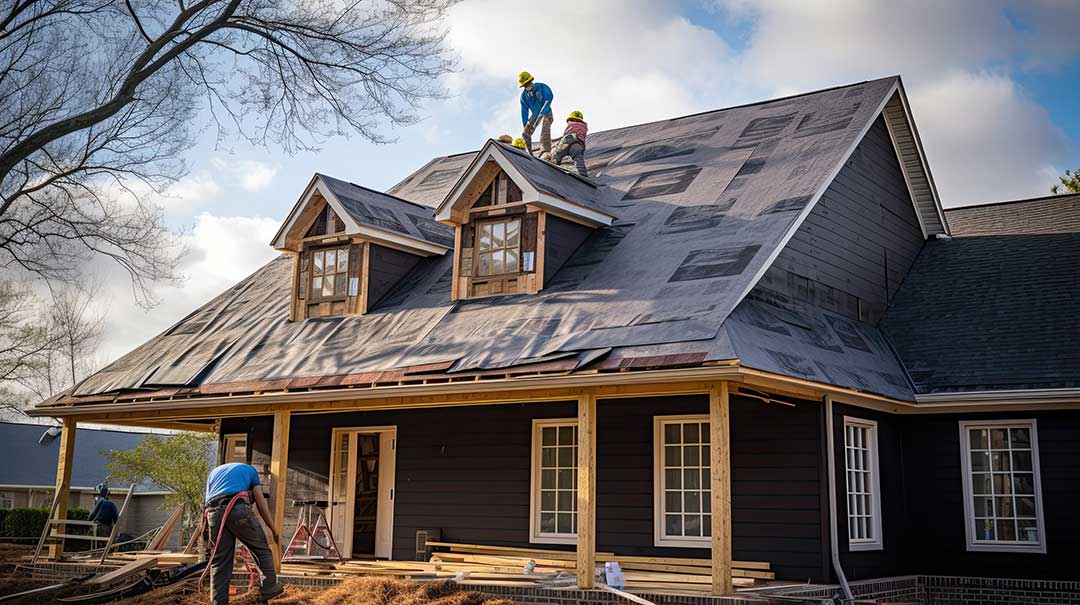
In Bath, official directives during large-scale emergencies sometimes restrict certain construction activities. Repairs truly necessary to prevent injury or major property loss are generally permitted, even if broader work or renovations are paused.
Residents should stay informed about:
- Temporary changes to noise ordinances, work hours, or permit requirements issued by local authorities
- Waste disposal and recycling site schedules, since access may be limited, affecting clean-up after repairs
Local government websites or automated phone lines often provide updates relevant to household repairs and access to disposal or building supply services.
What Local Factors Affect Roof Repairs During a Crisis?
Bath households face specific challenges during emergencies due to the area’s climate and housing mix. Common local context includes:
- Heavy tree cover causing branch falls after wind or ice storms
- Historic or older homes with non-standard rooflines or materials, which may be harder to match for repairs when supply chains are disrupted
- Periods of high precipitation, increasing urgency in managing leaks or damaged flashing, especially in spring and fall
Residents should document repair needs and keep a basic emergency supply of tarps, nails, patching materials, and gloves on hand. After a wide-area incident, patience is often needed as essential goods are prioritized for critical repairs citywide.
What Are Common Mistakes to Avoid When Managing Roof Repairs During a Crisis?
Residents sometimes underestimate risks or attempt unsafe repairs in an effort to fix problems quickly. Common mistakes include:
- Climbing onto a wet, icy, or steep roof without proper safety gear
- Trying extensive repairs alone rather than enlisting help from someone in their household for ladder stability or communication
- Ignoring building code requirements if emergency patching becomes permanent
- Delaying urgent repairs to the point where interior walls, insulation, or electrical systems become damaged
Prudent planning, safe temporary fixes, and careful monitoring are the most reliable strategies to keep homes protected when outside help or full repairs may be delayed.
