
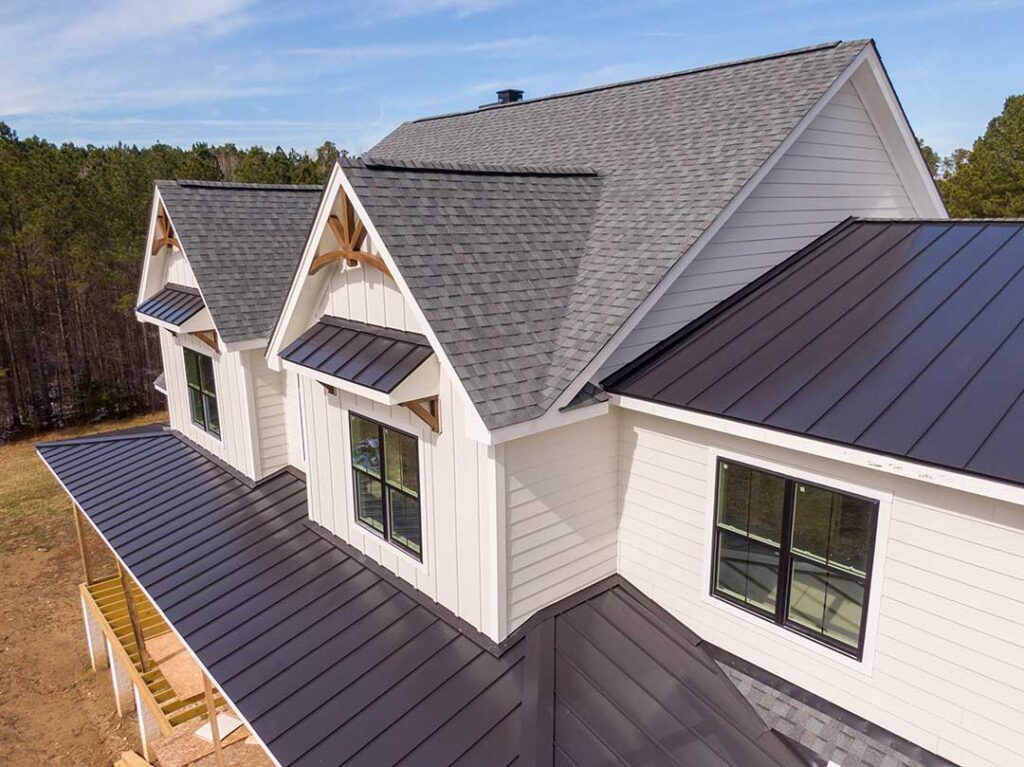
What Does a Roof Warranty Cover?
A roof warranty is a form of protection for homeowners, but coverage can vary greatly depending on the type of warranty and the manufacturer. Most commonly, warranties are either material warranties offered by the shingle manufacturer or workmanship warranties provided by the installation contractor.
Material warranties generally cover defects in roofing materials, such as premature cracking or granule loss, for a specified period (often 20-50 years). Workmanship warranties, on the other hand, address errors made during installation—issues like improper nailing, flashing mistakes, or poorly sealed valleys—that can lead to leaks or early roof failure.
It’s also important to distinguish between "prorated" and "non-prorated" coverage:
- Non-prorated: The full value of replacement is covered for a set period.
- Prorated: The value covered decreases as the roof ages.
How Can Bath Residents Locate and Read Their Roof Warranty?
The original warranty is usually provided in a packet at closing when the home is built or when the roofing project is completed. If the document isn’t readily available, look for it in the following places:
- With other home improvement documents or warranties in your home files
- In closing paperwork or Homeowner Association packets, if applicable
- Sometimes, on the website of the manufacturer, using your product code
Read the document closely, paying attention to:
- Start and end dates
- Names—ensure the warranty matches your property and your name if it is a transferable warranty
- Responsibilities spelled out for both homeowner and issuer
Avoid assuming your roof is still under warranty—dates can differ from your expectations, especially if installation occurred months after purchase of materials.
What’s Usually Not Covered By a Roof Warranty?
While warranties protect against specific risks, several kinds of damage are typically excluded:
- Storm damage (hail, wind, falling branches)
- Ice damming, which can be an issue after cold Bath winters
- Moss, algae, or lichen growth
- Leaks caused by clogged gutters or insufficient attic ventilation
- Damage from installation of solar panels, antennas, or skylights if they weren’t part of the original job
Additionally, many material warranties will not cover costs of tear-off or disposal. Misunderstanding these limits is a frequent frustration among homeowners.
Are Roof Warranties Transferable If You Sell Your Home?
Many local homeowners wonder if roof warranty coverage continues for future buyers. Some manufacturer warranties are transferable (usually once), but most require official paperwork—such as registering the new owner within a certain timeframe, and sometimes a processing fee.
If you are considering selling your home, check your warranty document for any requirements about timetables or paperwork, and notify the issuing company during the sale process. Skipping this step may void the warranty for everyone.
What Maintenance Is Required to Keep a Roof Warranty Valid?
Nearly all roofing warranties require homeowners to keep up with basic maintenance. In Bath, cleaning gutters in the spring and fall, inspecting after heavy snowfall or storms, and trimming overhanging branches are common expectations. Failing to maintain your roof according to the written guidelines can give the manufacturer cause to deny a warranty claim later.
Keep a simple log with dates and any receipts for paid services. Photos with time stamps can provide documentation if a dispute arises.
How Should Residents File a Claim Under Their Roof Warranty?
Filing a warranty claim involves more than just a phone call. Most warranty issuers will request:
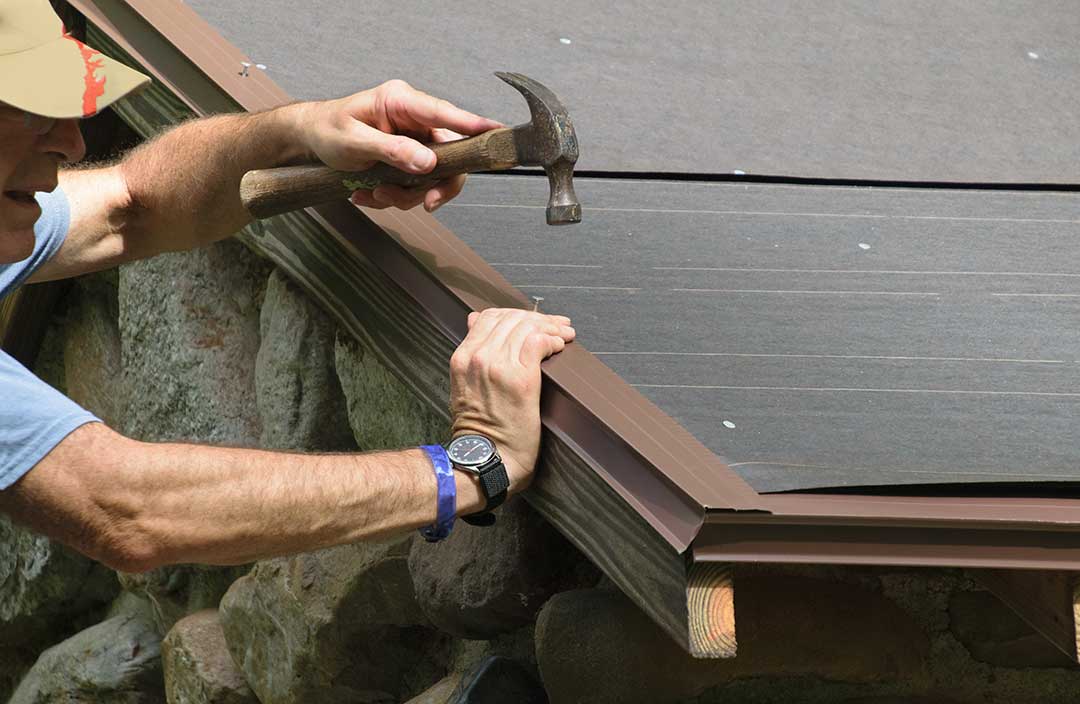
- A copy of the warranty
- Proof of purchase/installation
- Photographs of the damage
- A written description of the problem
Documenting the issue clearly can make the claims process smoother. Some manufacturers may send an inspector, while others rely on documentation alone. Be sure to start your claim as soon as damage is noticed—waiting may invalidate your coverage or make the cause of the problem harder to determine.
What Common Mistakes Can Nullify a Roof Warranty?
Homeowners in the city often lose coverage without realizing it due to:
- Unapproved repairs or modifications
- Failure to register the warranty (when required)
- Use of non-approved roofing products or fasteners for repairs
- Neglecting prescribed maintenance
- Letting debris, like leaves and sticks, build up for extended periods
Understanding these pitfalls helps maintain your warranty’s value over the life of the roof.
What Should Bath Homeowners Look for in the Warranty Fine Print?
Not all warranties are created equal, and the small details carry big weight. Bath residents, due to the area’s freeze-thaw cycles and seasonal storms, should give extra attention to:
- Wind speed and hail exclusions
- Coverage length and when depreciation begins
- Whether flashing, underlayment, or ventilation materials are included
- Who is responsible for labor or disposal costs
Comparing these factors can help area households set realistic expectations for what is covered.
