
What Should Residents Do First After Spotting Sudden Roof Damage?
If a roof emergency hits—like a branch crashing through, missing shingles after high winds, or a sudden leak during heavy rain—the first step is to remain calm and prioritize household safety. Evacuate rooms directly under visible holes or sagging drywall, especially if water is actively coming in or the ceiling looks unstable.
Avoid climbing up on the roof right away, even if damage seems clear. In Bath, where roofs can get slippery from rain or snow half the year, personal safety should always come before inspecting the damage. Instead, use a flashlight to check ceilings and attic spaces for new leaks. Place buckets or plastic sheets below drips to limit water spreading through the house.
If circumstances are life-threatening or pose an immediate structural collapse risk, reach out to emergency services. For all but the most urgent scenarios, a temporary containment approach is usually best until full repairs can be made.
How Can Temporary Fixes Help Prevent Worsening Damage?
Short-term solutions—like tarping or sealing visible gaps—can slow the spread of leaks and help prevent water infiltration from causing further interior or structural harm. The goal is to “buy time,” minimizing damage before permanent repairs are possible.
Bath’s changing seasons present special challenges for roof emergencies. In late fall through spring, snowmelt or ice dams can turn even a minor puncture into a wider ceiling leak. Some practical temporary measures include:
- Stretching a heavy-duty tarp tightly over the damaged section, securing it with boards, nails, or weighted objects
- Applying waterproof tape (found at most hardware stores) over accessible small cracks or holes
- Placing thick towels or blankets under indoor drips and swapping them out frequently to prevent floor or ceiling water stains
Avoid placing ladders directly against icy or wet surfaces, and do not attempt any temporary repair in strong winds or lightning. If extra material isn't on hand, a heavy plastic garbage bag cut open can sometimes substitute as a makeshift patch in a pinch.
Are There Local Factors That Affect Roof Emergencies in Bath, NY?
Bath’s weather patterns—especially wind events, heavy snow, and ice buildup—make certain types of emergency roof issues more likely. Tree limbs or branches may fall during thunderstorms and snowstorms, while freeze/thaw cycles in late winter can create new cracks or pull shingles loose.
Homes in this region often have steep-slope roofs to shed snow, but high-pitched angles can make even small leaks difficult to access or see from the ground. In older homes, watch for plaster or lath ceilings—these can hide slow leaks until damage is severe. Residents with attics should check them for wet insulation or water streaks after storms, since most leaks appear here before becoming obvious indoors.
If your house uses wood stove venting or has multiple chimneys, keep an eye on the flashing and seals around these structures, since shifting temperatures and settling can loosen joints more quickly than with basic rooflines.
What Mistakes Do Homeowners Often Make During Roof Emergencies?
Rushing up onto the roof or poking at wet ceilings with tools is a common instinct, but often causes bigger problems. Avoid these pitfalls:
- Climbing onto compromised or slick roofs, risking a fall
- Tearing out ceiling material unnecessarily—sometimes a bulge just means water needs to be drained in a controlled way, not that the whole section must be removed at once
- Using household caulk or spray foam directly in leaks—these rarely hold in wet, cold, or freezing Bath conditions, and can make professional repair harder later
Another common error is ignoring emergency problems during a brief sunny period, hoping an “out of sight, out of mind” approach works until a full repair. In this climate, new rain or a thawed ice dam can reopen leaks rapidly.
When Does a Roof Emergency Truly Require Outside Help?
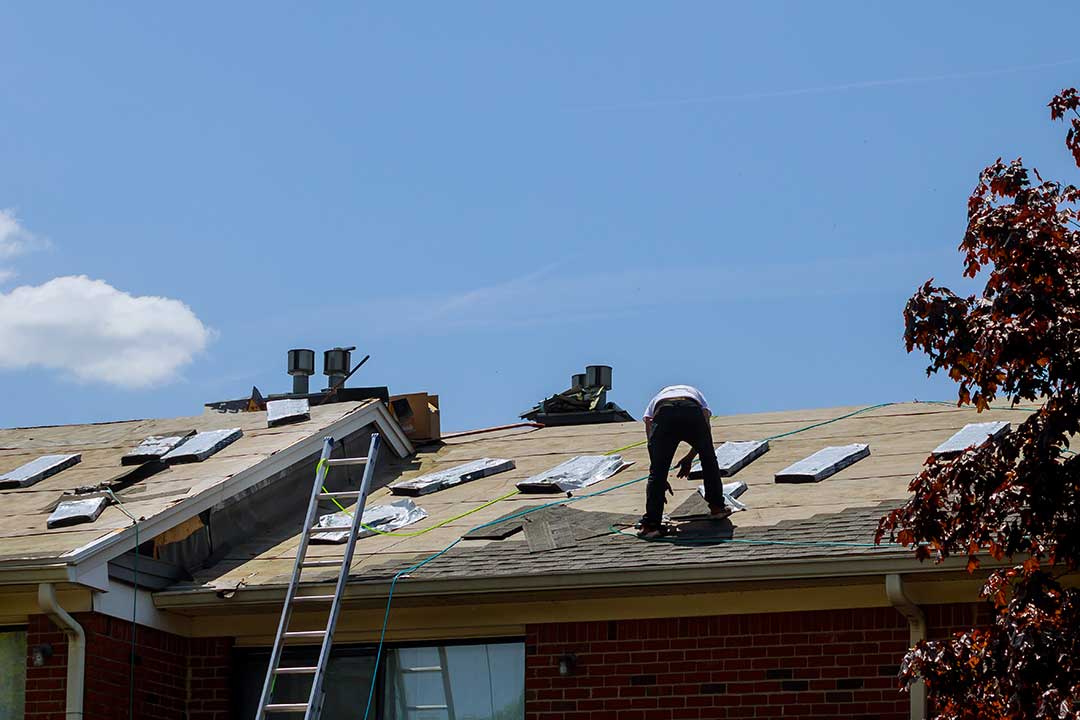
Certain scenarios—like large holes open to the sky, widespread shingle loss exposing bare decking, or indoor ceilings showing widespread sagging—can quickly escalate to safety hazards. If electrical wiring may be exposed to water, or if roof sections look unstable (e.g., sagging rafters), the situation is beyond a safe DIY fix.
For emergencies involving fire risk, potential collapse, or large structural movement, emergency response through fire departments or other local agencies should be used. In Bath, regulations typically require permits for any significant structural changes or major roof replacements—these are not suited for a DIY approach in an urgent situation.
For manageable emergencies—such as a handful of missing shingles or a small puncture not close to edges—residents can often implement a short-term patch until conditions allow for a permanent repair.
How Can Residents Document Damage for Insurance Purposes?
Thorough documentation helps recovery and claims after an emergency. Photograph exterior damage as soon as it’s safe—capturing wide shots, close-ups of affected areas, and surrounding features like trees or debris. Include interior impacts: ceiling stains, damaged drywall, or personal property affected by water.
Write down the timing of the event, weather conditions, and observable causes (like a visible branch or missing vent cap). Taking pictures during cleanup and repair stages also supports any insurance claim required later.
Keep damaged items if possible until claims are settled, since adjusters may request to see the extent of loss. In Bath, this approach can be especially useful after storm events, as widespread claims may be processed in batches.
Can Residents Take Steps to Reduce Likelihood or Severity of Future Emergencies?
While not every emergency can be avoided, routine roof upkeep makes a big difference in reducing risk and controlling repair costs. Locals can:
- Clear gutters before winter to minimize ice dams
- Trim nearby tree branches that could drop onto the house during storms
- Inspect attic spaces each season for signs of moisture or mold, which point to slow-developing roof weaknesses
- Replace missing or torn shingles promptly
In Bath, changes in temperature and year-round precipitation threats mean preventive maintenance goes a long way. Knowing where to find tarps, waterproof tape, or basic patching supplies in advance can also reduce stress if an unexpected problem develops.
